
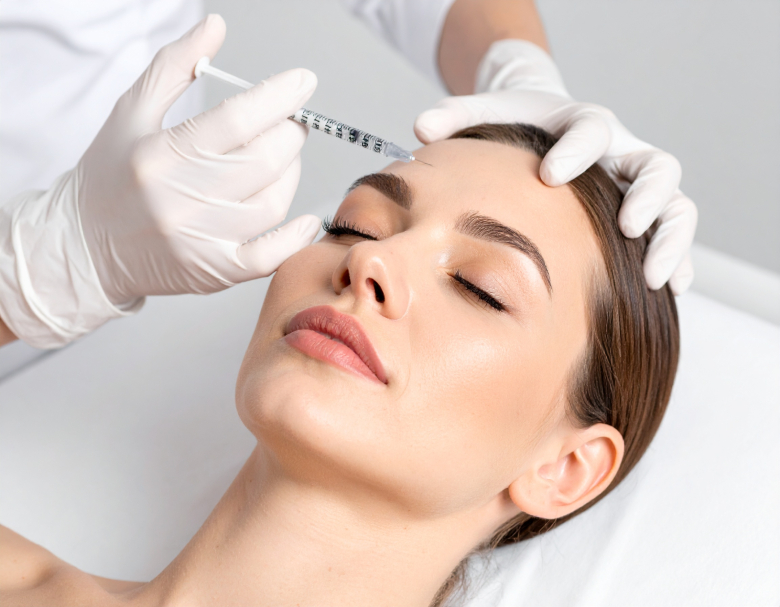
Most Botox appointments are routine. You come in every three to four months, results settle, and life continues normally. But when a major event is on the calendar, whether that is a wedding, a destination vacation, a photo shoot, or a milestone celebration, the timing of your Botox appointment shifts from a scheduling convenience to a clinical decision.
Getting Botox injections in South Miami, FL before a big event is not complicated, but it does require more lead time than most people plan for. This guide covers the ideal windows for every scenario, what to avoid in the weeks leading up to your event, and a complete planning timeline for South Miami brides who want to arrive at their wedding day looking exactly the way they envisioned.
Why Timing Matters More Before Events Than for Routine Touch-Ups
For a routine maintenance appointment, a small bruise that resolves in a week or results that take ten days to fully settle are minor inconveniences. When a wedding photographer is scheduled, a flight departs, or a film crew arrives, those same normal post-treatment variables become genuine problems.
Botox results are not immediate. The toxin takes time to bind, the muscles take time to respond, and the final settled result is not visible until approximately two weeks after treatment. Within that window, patients may experience bruising at injection sites, mild swelling, early asymmetry as different muscles respond at different rates, and occasional headache. None of these are signs of a problem in a routine context. All of them are things you do not want to be managing the week of a major event.
The solution is not to avoid Botox before important occasions. It is to plan far enough ahead that all of those normal variables have fully resolved, results have settled completely, and there is still time for a touch-up if any area needs a small adjustment.
The Ideal Window Before a Wedding: 4 to 6 Weeks
For brides getting Botox before a wedding in South Miami, FL, the four to six week window before the wedding date is the clinical sweet spot.
Why Four to Six Weeks
At four weeks out, Botox results have fully settled. The two-week assessment window has passed, any bruising has resolved, early asymmetry has evened out, and the final result is clearly visible. If anything looks off, there is still enough time to have a follow-up conversation with your injector and, if appropriate, make a small correction before the wedding day.
At six weeks out, you have even more buffer. Results are settled and fully visible, and the four-week window between that appointment and your wedding gives the most margin for any adjustment without rushing. For first-time Botox patients getting married, six weeks is strongly preferred over four because it accounts for the additional uncertainty of not knowing in advance how your body will respond.
Why Two Weeks Is Not Enough
Two weeks is when results finish settling, not when you have had enough time to assess and correct them if needed. Booking your Botox appointment two weeks before a wedding means that if anything needs adjustment, there is no time to address it. You are essentially removing any safety net from the plan.
Why the Month Before Should Be Locked In, Not Experimental
The four to six week window is for your established treatment with your regular injector using a protocol that has worked for you before. It is not the time to try a new injector, increase your unit count significantly, or add a treatment area you have never had done. The month before a wedding is the moment to execute a known plan, not to experiment.
The Ideal Window Before a Vacation: 3 to 4 Weeks
Botox before vacation has a slightly different set of considerations than wedding timing, and the ideal window shifts accordingly.
Why 3 to 4 Weeks
A three to four week lead time before travel gives results enough time to settle fully while also clearing the post-treatment restrictions that could interfere with vacation plans. The 24-hour exercise restriction, the 48-hour heat and sun avoidance, and the recommendation to skip saunas and pools in the first 24 to 48 hours all become irrelevant by the time three weeks have passed.
For South Miami patients traveling to beach destinations, water activities, intense outdoor excursions, or resort spa days, this matters practically. You do not want to arrive at a beach resort in the Bahamas 48 hours post-treatment and spend the first two days avoiding the ocean and the pool. Booking three to four weeks ahead means you land ready to enjoy everything on the itinerary without restriction.
Considerations for International Travel
Patients traveling internationally should also factor in the reduced access to their regular provider while away. If something unexpected happens in the days following treatment, being abroad makes follow-up more difficult. The three to four week window ensures that any normal post-treatment concerns have fully resolved before departure, and that the two-week assessment has already taken place with your injector.
Long-Haul Flights
For patients taking long-haul flights, the cabin pressure and prolonged sitting are not direct concerns for Botox specifically after the first 48 hours. The more relevant consideration is that long flights often involve dehydration, which can affect skin quality and appearance. Staying well hydrated in the days before and during travel supports your results regardless of Botox timing.
The Ideal Window Before a Photo Shoot or Filming
For patients scheduling Botox before photos, whether for a professional headshot session, editorial shoot, content creation, or film and television work, the ideal window is three to four weeks ahead with a preference for the four-week mark.
Why Results Need to Be Fully Settled for Camera Work
Cameras, particularly in professional photography and film, capture facial detail that casual observation misses. Early asymmetry that is barely noticeable in person can read more clearly on a high-resolution image. A treatment that is still settling at ten days may look slightly different at fourteen days, and neither of those is the fully settled result that will be captured at four weeks.
Patients who work in front of cameras regularly should also consider that Botox that is too fresh can occasionally produce a result that looks slightly frozen before it softens into its final settled state. The natural, refreshed result that experienced injectors aim for is most apparent at the four-week mark, not in the first two weeks.
For Video and Movement-Dependent Content
Patients filming video content where facial expression and movement are part of the deliverable should be particularly attentive to timing. The subtle balance between relaxed muscle activity and preserved natural expression is most accurately visible at four weeks, when the result has settled but has not yet begun to fade. Filming at two weeks risks capturing a result that looks slightly different from the final intended outcome.
What To Avoid Trying for the First Time Before a Major Event
This is one of the most important points in event Botox planning and one that is frequently overlooked by patients who are excited about their upcoming occasion.
No New Injectors
The weeks before a major event are not the time to switch providers. Your regular injector knows your muscle patterns, your response to treatment, your preferred outcome, and what has worked in the past. A new injector, however qualified, is starting from zero with your anatomy. The risk of a result that differs from your expectations is meaningfully higher with an unfamiliar provider, and there is no track record to draw on if a correction is needed.
If you have not been happy with your current injector and want to make a change, do it at least three to four months before the event, not in the weeks leading up to it.
No Significant Unit Count Increases
Increasing your unit count substantially before a major event introduces an unknown variable into an otherwise predictable plan. If you typically receive a certain dose and your results have been consistent, that is the protocol to follow in the event window. Significantly more units can produce a result that looks or feels different from what you are accustomed to, and the event timeline does not give you the space to adapt to that.
No New Treatment Areas
Adding an area that has never been treated before introduces uncertainty about how your body will respond in that specific zone. New treatment areas can produce unexpected results, including bruising that is heavier than anticipated or a settling pattern that takes longer than the areas you have treated before. The month before a wedding or major event is not the right time to find out how your body handles jawline Botox or a lip flip for the first time.
No New Toxin Brands
If you have been consistently treated with one brand of botulinum toxin and your results have been predictable, switching brands in the event window is an unnecessary variable. Different products have different onset times, spread characteristics, and unit equivalencies. Introducing a new product before an event without a prior reference point for how you respond to it removes the predictability that makes event timing manageable.
Why the Week Before Is the Worst Possible Time To Book
Booking Botox the week before a major event is the single most common timing mistake patients make. The reasoning that leads to it is understandable: people want to look their best at the event and assume that a fresher treatment means better results. The opposite is true.
At one week post-treatment, Botox is still settling. Results are not final. Bruising may still be visible. Asymmetry is likely still present. There is no time for a follow-up assessment, no margin for correction, and no way to know yet whether the dose was right. You are committing to showing up at your event in the middle of the treatment process rather than at its finished result.
The week before a major event should be entirely free of injectables. Use it for rest, hydration, gentle skincare, and the kind of low-key preparation that supports your results rather than introducing new variables.
A Sample Timeline for a South Miami Bride: Starting Six Months Out
For brides planning pre-wedding Botox in South Miami, FL, the most effective approach treats it as a multi-month plan rather than a single appointment. Here is a practical timeline starting six months before the wedding date.
Six Months Before the Wedding
Schedule a comprehensive bridal consultation if you have not already established a treatment relationship with an injector. This is the time to discuss your full facial concerns, your goals for wedding day, your treatment history, and any areas you have never had treated before that you might want to consider.
If you are new to Botox entirely, your first treatment should happen at the six-month mark or earlier. This gives you two full treatment cycles before the wedding to understand how your body responds, what dose works for you, and whether any adjustments are needed. First-time results are often the most unpredictable, and having that first session six months out means any surprises happen with plenty of time to course-correct.
Four to Five Months Before the Wedding
Your second treatment session, or your first maintenance session if you were already an established patient before the bridal planning began. At this point your injector has your response data from the previous session and can calibrate accordingly. This is also a good time to address any new areas or adjustments to the plan based on what you both observed after the first session.
Two to Three Months Before the Wedding
A regular maintenance appointment following your established protocol. By this point you and your injector have a clear picture of how you respond, what doses work, and what the result looks like at each stage of the timeline. This session is also an opportunity to make any final decisions about the treatment plan for the wedding appointment, which is coming up in the next cycle.
Four to Six Weeks Before the Wedding
This is your wedding Botox appointment. It follows the established protocol exactly. No new areas, no significant dose changes, no new injector, no new product. This appointment executes the plan that has been refined over the previous several months. Schedule your two-week follow-up from this appointment before leaving the office.
Two Weeks Before the Wedding
Your follow-up assessment appointment. Results are fully settled and your injector can evaluate the outcome clearly. If any small area needs a minor touch-up, this is the appropriate time to address it. If everything looks as expected, this appointment is a quick check-in that confirms you are on track for the wedding day.
One Week Before the Wedding
No injectables. This week is reserved for rest, hydration, skincare, and the non-treatment preparations that support your overall appearance. If a touch-up was needed and was done at the two-week mark, it has had a full week to settle.
Wedding Day
Results are fully settled, any touch-up has had time to integrate, and you arrive knowing exactly what to expect because you have seen this result before across multiple treatment cycles.
What White Coat Glam Recommends for Event Planning Patients
Planning Botox around a major life event is one of the most rewarding aspects of an ongoing aesthetic relationship with a qualified provider. When the timeline is respected and the plan is built carefully, patients arrive at their event with results they have already seen, already approved, and already know how to maintain.
At White Coat Glam, patients planning Botox injections in South Miami, FL around weddings, vacations, or major events are guided through a timing plan that accounts for their treatment history, their response patterns, and the specific demands of the occasion. The goal is never to rush a result into a narrow window. It is to build a plan with enough lead time that the event day is the easiest part. Book your consultation with Botox injections in South Miami, FL at White Coat Glam and start your event timeline with a plan that is built around your calendar, not against it.
FAQs
How far in advance should I get Botox before a wedding? Four to six weeks before the wedding date is the recommended window. This gives results time to fully settle, allows for the two-week follow-up assessment, and still leaves time for a small touch-up if needed before the event.
Can I get Botox the week before my wedding? This is strongly discouraged. At one week post-treatment, results are still settling, bruising may still be present, and there is no time to assess or correct the outcome. The week before a wedding should be free of any injectable treatments.
How early should I book Botox before a vacation? Three to four weeks before departure is the ideal window. This gives results time to settle fully and clears the post-treatment restrictions around exercise, heat, and water activities before you travel.
Is it safe to try a new injector before a major event? It is not recommended. A new injector does not have your treatment history, your response patterns, or a reference point for what your results should look like. The weeks before a major event are the wrong time to introduce that uncertainty.
What should I avoid trying for the first time before a wedding? Avoid new treatment areas, significant unit count increases, new toxin brands, and new injectors in the weeks before a major event. Stick to the established protocol that has produced predictable results for you in the past.
When should a South Miami bride start planning Botox for her wedding? Ideally six months out, particularly if she is new to Botox. Starting early allows for two full treatment cycles before the wedding appointment, giving both the patient and injector time to establish a protocol that produces consistent, predictable results.
Can I get Botox before a photo shoot? Yes, with appropriate timing. Four weeks before a photo shoot is the ideal window, giving results time to settle into their final, natural appearance before being captured on camera.
Disclaimer: The information on this page is for educational purposes only and does not constitute medical advice. Results vary by individual and are not guaranteed. All treatments are performed by licensed professionals. A consultation is required to determine if this treatment is appropriate for you.