
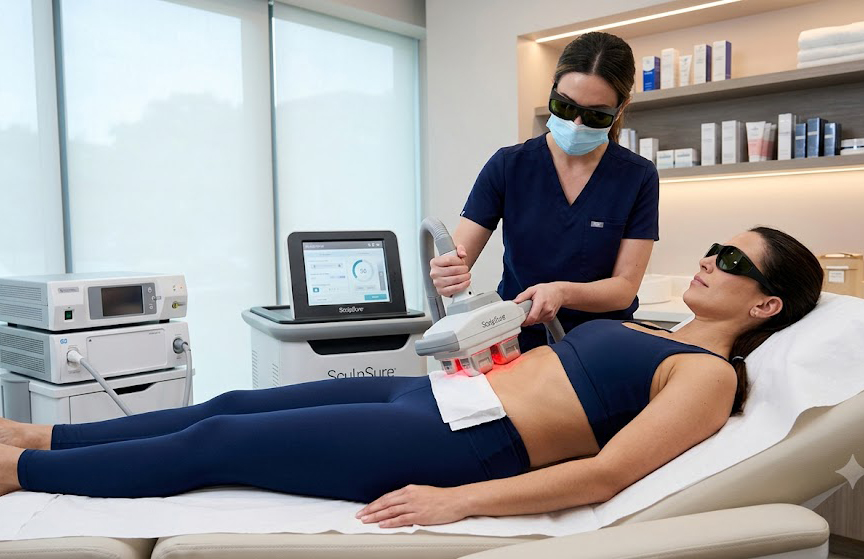
Body sculpting is one of the most searched aesthetic categories right now, and the questions patients bring to consultations reflect how much confusion still exists around what these treatments actually do, how long they last, and whether they are safe. The term body sculpting covers a wide range of technologies, from fat-freezing devices to radiofrequency and ultrasound-based platforms, and the answer to almost every question about results depends heavily on which specific treatment is being discussed.
This post addresses the questions that come up most consistently before a body sculpting consultation: whether results are permanent, what the safety profile looks like, how many sessions most patients need, and what realistic before and after outcomes look like. If you are weighing your options in Miami and want a grounded picture of what body sculpting can and cannot deliver, this is where to start.
What Body Sculpting Actually Is and What It Treats
Body sculpting is a broad category of non-surgical treatments designed to reduce localized fat deposits, improve skin laxity, or refine the contour of specific body areas. The treatments grouped under this term vary considerably in their mechanism of action, their target tissue, and their appropriate patient profile.
The most established non-surgical body sculpting technologies work through one of several mechanisms: cryolipolysis, which uses controlled cooling to destroy fat cells; radiofrequency energy, which heats tissue to reduce fat and stimulate collagen; high-intensity focused ultrasound, which uses sound waves to disrupt fat cell membranes; and electromagnetic muscle stimulation, which induces muscle contractions to build tone and reduce fat simultaneously.
Each of these approaches works differently, produces different results on different timelines, and carries its own set of considerations around safety and candidacy. When a patient asks whether body sculpting is permanent or whether body sculpting is dangerous, the most accurate answer always starts with which treatment specifically is being discussed.
Is Body Sculpting Permanent?
The honest answer is that some aspects of body sculpting results are permanent and some are not, and the distinction matters for managing expectations correctly.
When Fat Reduction Is Permanent
For treatments that destroy fat cells, such as cryolipolysis and certain ultrasound and radiofrequency platforms, the fat cell elimination itself is permanent. Adult bodies do not generate new fat cells in meaningful numbers. When a fat cell is destroyed through a body sculpting treatment, that specific cell is gone. The treated area has a permanently reduced number of fat cells compared to the untreated state.
This is a clinically meaningful statement, but it comes with an important qualifier. The fat cells that remain in the treated area, and throughout the rest of the body, can still expand. If a patient gains significant weight after a fat-reduction body sculpting treatment, the remaining fat cells in the treated area will grow larger, and fat cells in untreated areas may expand as well. The result can look uneven or inconsistent compared to the pre-weight-gain treated contour.
Body sculpting permanent fat reduction is best understood as a reduction in fat cell count, not a guarantee that the treated area will always look the same regardless of lifestyle changes. Patients who maintain their weight after treatment tend to enjoy their results for many years. Patients who gain significant weight may see those results diminish.
When Results Require Maintenance
For treatments that address skin laxity, muscle tone, or collagen density rather than fat cell elimination specifically, the results are not driven by permanent cellular destruction and therefore require maintenance over time. Radiofrequency treatments that stimulate collagen production, for example, produce results that develop over months and then gradually fade as the new collagen ages and the natural skin aging process continues. These results are real and often significant, but they are not permanent in the same way that fat cell elimination is.
Muscle-stimulating treatments produce tone improvements that fade if the stimulus is not maintained, similar to how muscle gained through exercise diminishes when training stops. These treatments are highly effective for the right patient but function more like an ongoing investment than a one-time intervention.
Understanding which category a specific treatment falls into before booking is essential for setting accurate expectations about longevity.
Is Body Sculpting Dangerous?
Body sculpting safety is a legitimate and important question, and the answer varies significantly depending on the technology, the provider, and the patient’s individual health profile.
FDA-Cleared Treatments and Their Safety Records
The most widely used non-surgical body sculpting technologies in reputable medical settings are FDA-cleared for their intended applications. FDA clearance means the technology has been evaluated for safety and efficacy within the parameters of its cleared indication. For established technologies like cryolipolysis and certain radiofrequency platforms, there is a substantial body of clinical evidence and real-world outcome data supporting their safety profile when used correctly.
This does not mean these treatments are without risk. Every treatment has a side effect profile, and patients deserve to understand it before proceeding.
Common Side Effects Across Body Sculpting Treatments
For most non-surgical body sculpting treatments, the common side effects are temporary and mild. They include redness and warmth in the treated area, swelling that resolves within days to a few weeks, tenderness or sensitivity at the treatment site, and temporary numbness or altered sensation in treated tissue. These are expected responses to the controlled tissue disruption that the treatments are designed to produce and typically resolve without intervention.
Less common but documented side effects vary by technology. Cryolipolysis carries a small risk of paradoxical adipose hyperplasia, a rare complication in which the treated fat tissue thickens and hardens rather than reducing. Radiofrequency and ultrasound treatments can cause burns or uneven results if device settings are not calibrated correctly for the patient’s tissue. Muscle stimulation treatments are generally well-tolerated but are contraindicated for patients with certain implanted devices.
The Provider Variable
Whether body sculpting is dangerous depends significantly on who is performing it and in what setting. The same technology that produces safe, consistent results in a properly supervised medical spa can produce complications in a setting where providers are undertrained, devices are not maintained, or patient screening is inadequate.
In Miami, where body sculpting services are abundant across a wide range of settings, the provider and the clinical environment matter as much as the technology. Patients should look for providers who conduct a thorough medical history review before treatment, who can clearly explain the mechanism of the specific device being used, and who have a defined protocol for managing the rare cases where something outside the expected range occurs.
The question of whether body sculpting is dangerous is not best answered by the technology alone. It is best answered by evaluating the treatment, the provider, and the clinical setting together.
How Many Body Sculpting Sessions Do I Need?
Session count is one of the most variable aspects of body sculpting planning because it depends on the technology, the treatment area, the degree of change being pursued, and the patient’s individual response to treatment.
Single-Session vs. Series Treatments
Some body sculpting technologies are designed to produce meaningful results from a single session. Cryolipolysis, for example, is often performed as a single treatment per area, with many patients seeing their target reduction from one session per cycle. Results develop over two to three months as the destroyed fat cells are gradually cleared by the body, and the need for additional sessions in the same area is assessed after the full result has appeared.
Other technologies are designed to be delivered as a series. Radiofrequency body sculpting treatments, muscle stimulation platforms, and collagen-stimulating injectables typically require multiple sessions to build the intended result. Three to six sessions is a common recommendation range for these treatment types, spaced one to two weeks apart depending on the specific protocol.
Factors That Influence Session Count
The amount of tissue being addressed is one of the most significant variables. A patient with a small, discrete fat pocket in one area requires a different treatment plan than a patient pursuing comprehensive contouring across multiple zones. Patients with greater skin laxity in the treatment area may need additional sessions or complementary treatments to address both the fat and the skin quality together.
Prior treatment history also matters. Patients who have had previous body sculpting in an area and are returning for a touch-up or maintenance have different needs than patients who are starting from an untreated baseline.
The most accurate answer to how many body sculpting sessions you need is one that comes from a consultation where your provider has assessed the specific area, discussed your goals, and recommended a protocol based on the treatment being used and your individual anatomy. Generic session count estimates from online sources are a starting point, not a treatment plan.
What to Expect Between Sessions
For series-based treatments, what happens between sessions matters as much as the sessions themselves. Staying well hydrated supports tissue recovery and treatment efficacy for most body sculpting modalities. Maintaining a stable weight between sessions prevents the result from being obscured by fat cell expansion in untreated areas. Following any specific post-treatment guidelines from your provider, which may include avoiding certain activities or skincare products for a defined window, protects the integrity of the result as it develops.
Body Sculpting Before and After: What Realistic Results Look Like
Body sculpting before and after results are one of the most searched reference points for patients considering treatment, and they are also one of the most misleading if the patient is not viewing them with an understanding of what they represent.
What Before and After Photos Show
Reputable body sculpting before and after photos show the change that occurred in a specific patient following a specific treatment protocol. They reflect that patient’s anatomy, their starting point, the technology and number of sessions used, and the time elapsed between the final session and the after photo. None of those variables are standardized across different photos, which means comparing before and after images from different patients or different clinics is not an apples-to-apples comparison.
The most useful before and after photos for a prospective patient are those taken by the specific provider they are consulting with, using the specific technology they are considering, on patients with a similar starting point. These are the reference images most relevant to what your result might look like.
Realistic Outcome Ranges
For fat-reduction treatments performed on appropriate candidates, body sculpting before and after results typically show a visible reduction in the treated area with improved contour definition. Most clinical studies on established cryolipolysis devices report an average fat layer reduction of 20 to 25 percent in the treated area per cycle. Radiofrequency and ultrasound platforms vary in their published reduction ranges depending on the specific device and protocol.
What before and after photos rarely show clearly is the timeline. A photo taken at one month post-treatment looks different from the same patient at three months, when the full result has developed. Patients whose results are photographed during the peak of their outcome will naturally appear more dramatic than those captured at an earlier or later stage.
What Body Sculpting Cannot Do
Body sculpting is not a weight loss treatment. It is a contouring tool. Patients who are significantly above their target weight and hoping that body sculpting will produce dramatic overall size reduction are not well-matched to what these treatments deliver. The appropriate patient for most body sculpting technologies is someone near their goal weight with specific, localized areas of concern that have not responded to diet and exercise.
Body sculpting also cannot address loose skin caused by significant weight loss, aging, or pregnancy without a complementary skin tightening component. Fat reduction in an area with significant skin laxity can sometimes make that laxity more visible rather than improving it. A proper consultation evaluates both the fat and the skin quality in the treatment area before a protocol is recommended.
What White Coat Glam Recommends for Patients Exploring Body Sculpting
At White Coat Glam, patients asking whether body sculpting is permanent, whether it is safe, or how many sessions they need receive answers that are specific to the treatment being considered and their individual anatomy, not generic statements that apply to every technology equally.
The body sculpting landscape in Miami is large and the marketing around it is often louder than the clinical evidence. Our approach is to start with the patient’s actual concern, assess whether non-surgical body sculpting is the right category of solution for it, recommend the specific technology most appropriate for their tissue type and goals, and build a session plan with realistic timelines and outcome expectations built in from the start.
If you are considering body sculpting in Miami and want to understand which treatments are right for your specific concerns, how many sessions your goals realistically require, and what your before and after results might look like, book a consultation at White Coat Glam. The conversation starts with your body, your goals, and the clinical picture that actually determines your outcome.
FAQs
Is body sculpting permanent?
Fat reduction achieved through treatments that destroy fat cells, such as cryolipolysis, is permanent in the sense that the eliminated cells do not regenerate. However, remaining fat cells can still expand with weight gain, which can diminish results over time. Treatments that address skin laxity or muscle tone rather than fat elimination require maintenance to sustain their results.
Is body sculpting dangerous?
Established, FDA-cleared body sculpting technologies have well-documented safety profiles when performed by trained providers in appropriate clinical settings. Side effects are typically mild and temporary. Risks increase when treatments are performed by undertrained providers, in unregulated settings, or on patients who were not properly screened for candidacy. Choosing a qualified provider in a supervised medical environment is the most significant factor in safety.
How many body sculpting sessions do I need?
Session count depends on the technology, the treatment area, and the degree of change being pursued. Some fat-reduction treatments produce results from a single session per area. Series-based technologies typically require three to six sessions. An accurate recommendation comes from a consultation where your provider evaluates your specific anatomy and goals rather than a generic estimate.
What do body sculpting before and after results look like?
Results vary based on the technology used, the patient’s starting point, the number of sessions completed, and the time elapsed between the final session and the comparison photo. Fat-reduction treatments typically produce a visible reduction in the targeted area with improved contour definition. Realistic outcome expectations are best set during a consultation with a provider who can show relevant before and after references from their own patient population.
How long does it take to see body sculpting results?
The timeline depends on the treatment. Cryolipolysis results develop over two to three months as the body clears the destroyed fat cells. Radiofrequency and collagen-stimulating treatments build results over a series of sessions and continue to improve for several months after the final session. Muscle stimulation results may be visible more quickly but require ongoing maintenance to sustain.
Who is a good candidate for body sculpting?
The ideal candidate for most non-surgical body sculpting treatments is someone near their goal weight with specific, localized areas of concern that have not responded to diet and exercise. Body sculpting is a contouring tool, not a weight loss solution. Patients with significant skin laxity in the treatment area may need a combined approach that addresses both fat and skin quality.
Can body sculpting replace diet and exercise?
No. Body sculpting addresses specific, localized areas of concern and is most effective as a complement to a healthy lifestyle rather than a substitute for one. Patients who maintain stable weight and an active lifestyle after treatment tend to see the longest-lasting results.
Disclaimer: The information on this page is for educational purposes only and does not constitute medical advice. Results vary by individual and are not guaranteed. All treatments are performed by licensed professionals. A consultation is required to determine if this treatment is appropriate for you.