
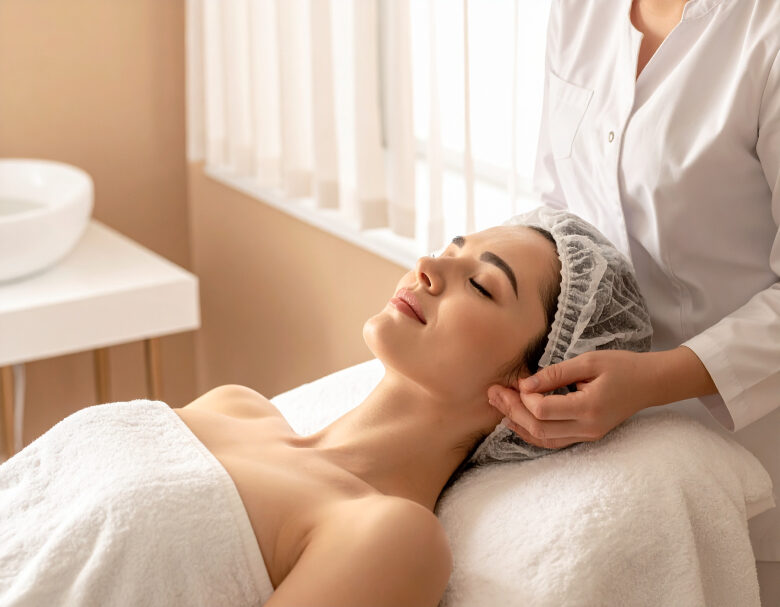
Walking into your first Botox appointment feeling prepared makes a bigger difference than most people expect. Not just for your comfort level, but for your results. How you prepare in the days and weeks before treatment, what you bring to your consultation, and what you do on appointment day all influence how smoothly everything goes and how satisfied you are with the outcome.
This guide covers everything first-time patients getting Botox in South Miami, FL need to know before they arrive, from the two-week pre-treatment window to the moment they walk out the door.
Start Two Weeks Before Your Appointment
The two-week window before your Botox appointment is when preparation actually begins. Most patients do not realize that certain everyday habits and supplements can significantly increase bruising risk, and the earlier you stop them, the better protected you are going into treatment.
What To Avoid in the Two Weeks Before Botox
Blood-thinning medications. Aspirin, ibuprofen, naproxen, and other nonsteroidal anti-inflammatory drugs thin the blood and increase the likelihood of bruising at injection sites. If you take these for pain management and they are not prescribed, stopping them two weeks before your appointment is a reasonable precaution. If they are prescribed medications, do not stop them without speaking to the prescribing physician first. Let your injector know what you are taking at your consultation.
Alcohol. Alcohol is a vasodilator and a mild blood thinner. Avoiding it for at least 24 to 48 hours before your appointment is the minimum recommendation, but cutting back for a full week beforehand gives your body an even better baseline going in.
Certain supplements. Fish oil, vitamin E, St. John’s Wort, ginkgo biloba, and garlic supplements all have blood-thinning properties that can increase bruising. Stopping these two weeks before your appointment reduces that risk meaningfully. A standard multivitamin is generally fine, but check with your provider if you are unsure about a specific supplement.
Retinoids near the treatment site. Retinol and prescription retinoids increase skin sensitivity and can cause irritation at injection sites. Stopping retinoid use on and around the areas to be treated for at least three to five days before your appointment is standard pre-Botox preparation guidance. Your provider may recommend a longer pause depending on the strength of your retinoid and the areas being treated.
One Week Before: Organize What You Need To Bring
Good preparation for your Botox consultation in South Miami, FL means arriving with the right information, not just showing up and hoping your memory is accurate in the moment.
What To Bring to Your Consultation
A current medication list. Write down every prescription medication, over-the-counter drug, and supplement you take regularly, including the dose and frequency. Your injector needs this to assess contraindications, flag blood-thinning concerns, and note anything that might interact with the treatment or affect your results.
Your recent skincare history. Be ready to describe what you are currently using on your skin, particularly any active ingredients like retinoids, acids, or prescription topicals. If you have recently had any skin treatments such as laser, chemical peels, or microneedling, note when those took place. Recent skin procedures can affect whether Botox is appropriate and how your skin will respond.
Photos of past treatments if applicable. If you have had Botox or other injectables before, even at a different provider, bringing photos of your results at various stages can be genuinely helpful. It gives your new injector context about how you respond to treatment, what doses have worked, and what you liked or did not like about previous outcomes.
Reference photos of your goals. A clear, well-lit photo of yourself from a few years ago when you felt your face looked the way you want it to look again is more useful than a photo of a celebrity or influencer. Botox works with your anatomy, and your own face is the best reference point.
Questions To Ask Your Injector During the Consultation
A Botox consultation in South Miami, FL should feel like a real clinical conversation, not a sales pitch. Asking the right questions upfront protects you and sets the foundation for a result you will actually be happy with.
How many units are you recommending and why? Understanding the rationale behind the recommended dose helps you assess whether it is appropriate for your anatomy and goals. A provider who can explain this clearly is one who is thinking specifically about your face rather than following a generic formula.
Which brand of toxin are you using? Botox is a brand name for one specific botulinum toxin product made by Allergan. Other FDA-approved neuromodulators include Dysport, Xeomin, and Daxxify. Each has different unit equivalencies and slightly different clinical profiles. Knowing which product is being used and why helps you make an informed decision and track your results accurately over time.
What are your dilution practices? Botulinum toxin is reconstituted with saline before injection, and the dilution ratio affects the concentration of the product. This is a legitimate clinical question and a provider who is transparent about their preparation practices is one worth trusting.
What is your touch-up policy? A two-week follow-up is standard practice in responsible Botox care. At that point, any areas that did not respond as expected can be assessed and a small touch-up can be done if needed. Ask upfront whether this follow-up is included, whether there is a charge, and what the window is for requesting it.
What should I realistically expect from this treatment? Setting accurate expectations at the consultation stage prevents disappointment after treatment. A good injector will be honest about what Botox can and cannot achieve for your specific concerns, and will tell you if another treatment would actually serve you better.
The Day Before Your Appointment
Keep things simple the day before your Botox appointment. Avoid alcohol, skip any intense workouts that might cause facial flushing, and make sure you are well hydrated. Staying hydrated supports skin health generally and gives you a better baseline going into treatment.
Avoid scheduling any other facial treatments, including facials, waxing, or dermaplaning, within 24 hours of your Botox appointment.
What Appointment Day Looks Like
Knowing the flow of your appointment from arrival to departure helps reduce any first-time anxiety and lets you plan your day realistically.
What To Wear
Wear a top that does not need to be pulled over your head. A button-down shirt, zip-up, or anything with a wide neckline is ideal. You will not want to drag fabric across your face immediately after treatment, and avoiding that is a simple step that most patients overlook until they are standing in the treatment room.
Skip heavy makeup on appointment day if possible. Your provider will cleanse the treatment area before injecting, but arriving with minimal or no makeup on the areas to be treated saves time and reduces the steps between arrival and treatment.
Leave your hair down or in a low style that does not put pressure on the scalp or forehead. Tight hairstyles can occasionally create minor discomfort in the hours after treatment if they press on areas where product was placed.
What Happens When You Arrive
You will complete any intake paperwork and consent forms if they were not completed in advance online. Your provider will review your medication list, skincare history, and goals, then assess your facial anatomy and movement patterns before making their final recommendations.
The actual injection portion of a Botox appointment is brief. Depending on the number of areas being treated, most patients are in the treatment chair for ten to twenty minutes. Some providers apply a topical numbing cream beforehand, though many patients find that Botox injections are well-tolerated without it.
After treatment, your provider will give you post-care instructions. You will likely be advised to avoid lying down for several hours, skip intense exercise for the rest of the day, and avoid rubbing or pressing on the treated areas. Results begin to appear within three to five days and settle fully around two weeks after treatment.
Before You Leave
Confirm your two-week follow-up appointment before walking out. Ask your provider when you should reach out if you have questions or concerns in the days following treatment and what the best method of contact is. Leave with a clear understanding of what to expect and when.
Pre-Botox Preparation Checklist
For parents, busy professionals, or anyone who wants a simple reference to check off before their appointment, here is a consolidated pre-Botox checklist.
Two Weeks Before
- Stop fish oil, vitamin E, ginkgo biloba, and St. John’s Wort supplements
- Discuss stopping aspirin or ibuprofen with your provider if you use them regularly
- Pause retinoid use near treatment areas
One Week Before
- Write out your full medication and supplement list
- Note your recent skincare and treatment history
- Gather any photos of past injectable treatments or results you want to reference
48 Hours Before
- Avoid alcohol
- Skip any aggressive facial treatments or skin procedures
Day Before
- Stay well hydrated
- Avoid intense exercise that causes significant facial flushing
- Confirm your appointment time and any paperwork you need to complete
Appointment Day
- Wear a button-down or wide-neck top
- Arrive with minimal or no makeup on treatment areas
- Wear hair in a low, loose style
- Bring your medication list, skincare notes, and reference photos
- Ask your questions before treatment begins
- Confirm your two-week follow-up before leaving
You Are More Prepared Than You Think
Most first-time Botox patients feel uncertain going in because they do not know what to expect. Now you do. The preparation steps are straightforward, the appointment itself is brief, and the clinical conversation at your consultation is the most important part of the whole process.
At White Coat Glam, first-time patients getting Botox in South Miami, FL are walked through every step of this process before any treatment begins. The goal is not just a good result from a single appointment. It is a long-term plan built around your face, your lifestyle, and the specific demands of South Florida’s climate. Book your Botox consultation in South Miami, FL at White Coat Glam and arrive knowing exactly what to expect.
FAQs
How far in advance should I prepare for my first Botox appointment? Starting your preparation two weeks before your appointment gives you enough time to stop blood-thinning supplements, adjust any medications with your physician if needed, and pause retinoid use near treatment areas.
What should I avoid before Botox injections? Avoid blood-thinning medications like aspirin and ibuprofen if they are not prescribed, alcohol for at least 48 hours before treatment, supplements like fish oil and vitamin E, and retinoids near the treatment site for several days before your appointment.
What should I bring to my first Botox consultation in South Miami, FL? Bring a full list of your current medications and supplements, your recent skincare history including any active ingredients or recent facial treatments, and photos of past injectable results if you have them.
What questions should I ask my injector? Ask about the number of units recommended and the reasoning behind it, which brand of toxin is being used, the dilution practices, and the touch-up policy including whether a two-week follow-up is included.
What should I wear to my Botox appointment? Wear a top that does not need to be pulled over your head, such as a button-down or wide-neck shirt. Arrive with minimal makeup on the treatment areas and keep your hair in a low, loose style.
How long does a first Botox appointment take? The consultation and treatment combined typically take between 30 and 60 minutes for a first appointment. The actual injection portion is usually ten to twenty minutes depending on how many areas are being treated.
When will I see results after my first Botox treatment? Most patients begin to see results within three to five days. Full results are visible around two weeks after treatment, which is also when a follow-up assessment is typically scheduled.
Disclaimer: The information on this page is for educational purposes only and does not constitute medical advice. Results vary by individual and are not guaranteed. All treatments are performed by licensed professionals. A consultation is required to determine if this treatment is appropriate for you.