
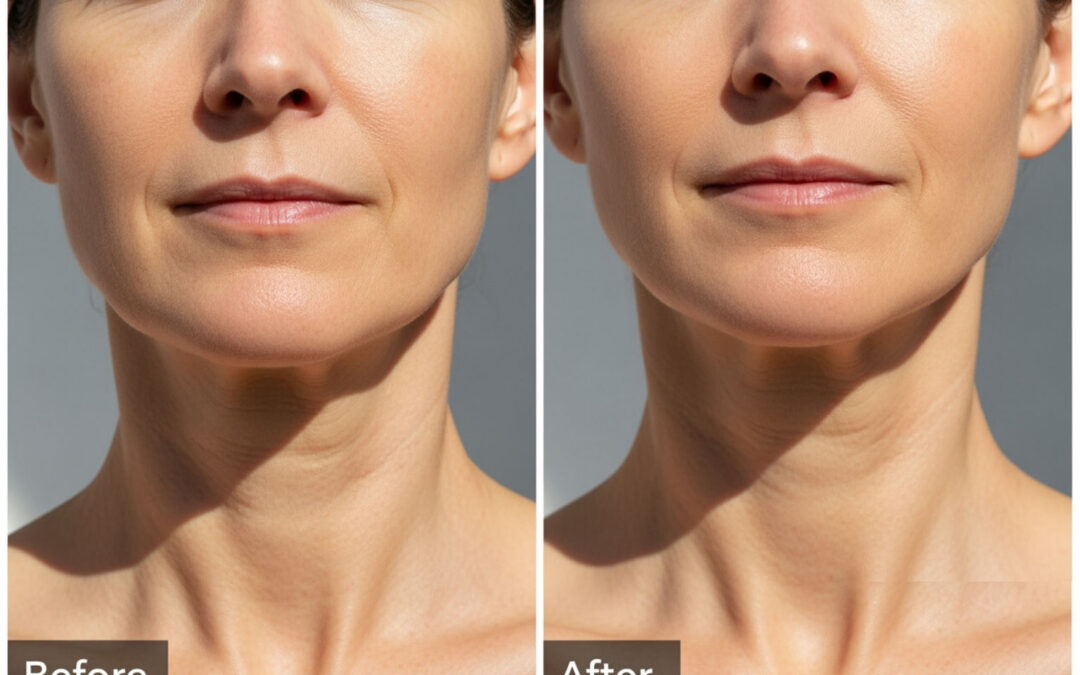
Most patients researching Morpheus8 already understand the basics of what the treatment does. The combination of microneedling and radiofrequency energy remodels collagen at deeper layers of the skin than surface treatments can reach, producing firming, tightening, and textural improvements that build over time. What fewer patients have a clear picture of is what happens after the session ends, specifically what the skin looks like and how it behaves across the days and weeks that follow.
Understanding the Morpheus8 recovery timeline before your appointment removes a significant source of post-treatment anxiety. When patients know what day three is supposed to look like, they do not mistake normal healing for a problem. When they understand the Morpheus8 results timeline, they do not expect to see the final outcome at two weeks when the real result arrives at three months. This guide covers the recovery process in detail, from the first hours after treatment through the months that follow, along with the Morpheus8 aftercare steps that support the best possible outcome at each stage.
What Morpheus8 Actually Does to the Skin and Why Recovery Looks the Way It Does
Before walking through the day-by-day breakdown, it helps to understand why the skin responds the way it does after Morpheus8. The device delivers radiofrequency energy through a matrix of tiny microneedles that penetrate the skin at controlled depths, typically between one and four millimeters depending on the treatment area and the goals being addressed. The heat generated by that radiofrequency energy causes a controlled injury response in the dermis and subdermal tissue.
That controlled injury is intentional. It triggers the body’s wound-healing cascade, which includes an inflammatory phase, a proliferative phase where new collagen is produced, and a remodeling phase where that collagen matures and organizes into stronger, more structured tissue. The visible recovery process, including the redness, swelling, pinpoint marks, and texture changes patients experience in the first week, is the inflammatory phase being worked through. The results that appear at one, two, and three months are the proliferative and remodeling phases delivering on the treatment’s promise.
This is why Morpheus8 recovery time cannot be rushed and why the aftercare protocol exists. Every step of the recovery plan is designed to support the healing process, not interfere with it.
Morpheus8 Recovery Day by Day: A Complete Timeline
Day of Treatment
Immediately after a Morpheus8 session, the skin will appear red, swollen, and warm to the touch. Most patients describe the sensation as similar to a moderate sunburn. The microneedle entry points are visible as tiny dots across the treatment area, and there may be pinpoint bleeding that dries quickly. Swelling is most pronounced in areas with thinner skin, particularly under the eyes and along the jawline.
Most providers apply a soothing cream or hyaluronic acid serum immediately after the session to begin the hydration and calming process. Patients should plan to go home directly after treatment. This is not a day for social commitments or sun exposure. The skin is in an active inflammatory state, and protecting it from environmental stressors in these first hours matters for how the recovery proceeds.
Day One
Redness and swelling are typically at their peak on the first day after treatment. The skin may feel tight, tender to the touch, and warm. Some patients experience mild swelling that alters the contour of the face temporarily, particularly around the eyes and cheeks. This is normal and not a sign of a complication.
The pinpoint dots from the microneedle channels are still visible and the skin may have a bronzed or slightly mottled appearance in the treatment area. Avoid washing the face with anything other than a gentle cleanser and cool or lukewarm water. Hot water, steam, and friction are all contraindicated at this stage. Apply the moisturizer or healing balm recommended by your provider and do not apply any actives, retinoids, exfoliants, or makeup.
Sun protection is non-negotiable from day one. Even incidental sun exposure on healing skin can cause post-inflammatory hyperpigmentation, and Miami’s year-round UV index makes this a more immediate concern than it would be in other climates. Stay indoors where possible and apply a mineral SPF if you need to go outside.
Day Two
For most patients, day two is the most uncomfortable day of the Morpheus8 recovery timeline. Swelling may increase slightly before it begins to resolve, and the skin can feel dry, tight, and itchy as the surface begins to respond to the deeper healing happening underneath. Some patients notice a bronzed or darkened appearance to the skin that resembles a mild tan. This is the treated tissue beginning its turnover process and is expected.
Do not pick, scratch, or rub the treatment area. The microneedle channels are still closing, and any mechanical disruption to the skin surface at this stage introduces infection risk and can affect the healing outcome. Continue with the gentle cleanser, hydrating moisturizer, and mineral SPF protocol. If swelling around the eyes is significant, sleeping with the head slightly elevated can help fluid drain more efficiently.
Day Three
By day three, many patients begin to turn a corner. Redness starts to fade from bright red toward a softer pink, and swelling begins to reduce noticeably. The skin may feel rough or sandpaper-like in texture as the surface layer of treated skin begins to exfoliate. This texture change is normal and temporary.
The temptation to apply makeup at day three is understandable, particularly for patients who need to return to work or social situations. Most providers advise waiting until at least day three to day four before applying mineral makeup, and only if the skin surface is intact with no open areas. Full foundation and powder are generally not recommended until the surface has fully closed and settled, usually closer to day five to seven.
Days Four and Five
The active inflammation phase is winding down for most patients by days four and five. Redness has typically resolved or reduced to a faint pink that can be covered with light mineral makeup. The bronzing and darkening of the skin that appeared in days two and three may begin to flake or peel gently as the treated outer layer sheds. Do not accelerate this process by exfoliating, using washcloths aggressively, or picking at the peeling skin. Let the shedding happen naturally.
Swelling at this stage is usually minimal and concentrated in areas that were treated more aggressively, such as directly under the eyes. Some patients experience small milia, which are tiny white bumps that can form as the skin heals. These typically resolve on their own and should not be extracted at home.
Hydration remains important at this stage. The skin barrier is still recovering, and keeping the surface well moisturized supports the healing process and reduces the discomfort of tightness and peeling.
Days Six and Seven
By the end of the first week, most patients are through the most visible phase of Morpheus8 recovery. The skin surface appears close to normal, any peeling has resolved or is nearly complete, and redness is minimal. Some patients notice that their skin looks clearer and smoother than it did before treatment, even at this early stage, because the surface turnover has shed some of the outer texture issues.
This is also around the point where patients are cleared to reintroduce gentle active ingredients, though the exact timeline varies by provider and individual healing response. Do not reintroduce retinoids, acids, or exfoliants without explicit clearance from your provider. Even if the skin looks recovered from the outside, the deeper remodeling process is still very much underway, and aggressive actives introduced too early can irritate tissue that is still in its proliferative phase.
Week Two
By the second week, the outer recovery is largely complete. Most patients are back to their normal skincare routines, makeup use is unrestricted, and the visible signs of treatment have resolved. The skin may still feel slightly more sensitive than its baseline, and sun protection should remain a consistent daily habit for the full month following treatment.
What patients sometimes misinterpret at the two-week mark is that recovery being complete does not mean results are visible yet. The collagen production that Morpheus8 triggers is just beginning at this stage. Patients who expect to see lifting, tightening, or significant textural improvement at two weeks are looking too early.
Morpheus8 Aftercare: The Rules That Protect Your Results
Morpheus8 aftercare is not complicated, but it is specific. The following guidelines apply broadly to most patients, though your provider will give you instructions tailored to your treatment parameters and skin.
What to Avoid in the First Week
Avoid direct sun exposure as much as possible and apply a mineral SPF of 30 or higher daily from the morning after treatment. Avoid heat sources including hot showers, steam rooms, saunas, and heated exercise environments for at least 48 to 72 hours after treatment. Avoid swimming pools, hot tubs, and open water for at least one week. Avoid all active skincare ingredients, including retinoids, AHAs, BHAs, vitamin C serums, and physical exfoliants, until your provider clears you to reintroduce them. Avoid picking, scratching, or peeling the skin at any point during the healing process.
What to Prioritize in the First Week
Use a gentle, fragrance-free cleanser twice daily. Apply the hydrating moisturizer or healing balm recommended by your provider liberally and frequently. Keep the skin surface calm, hydrated, and protected. Drink adequate water to support the body’s healing process systemically. Sleep on clean pillowcase fabric and avoid sleeping face-down in the first few days.
When to Call Your Provider
Providers who care about patient outcomes want to hear from you if anything falls outside the expected recovery pattern. If you experience significant pain beyond the first 24 hours, increasing redness or warmth after day three rather than decreasing, signs of infection such as pus or spreading redness, or a skin reaction that does not match what was described in your post-treatment instructions, contact your provider before assuming it is normal.
Morpheus8 Results Timeline: When the Real Changes Appear
Understanding the Morpheus8 results timeline is one of the most important pieces of information a patient can have before treatment, because the gap between the end of visible recovery and the arrival of the full result is longer than most patients anticipate.
At two to four weeks, the outer skin looks normal and the first subtle signs of improvement may be visible. Texture often appears slightly smoother and some patients notice early improvements in skin tone. This is surface-level improvement from the turnover of the treated outer layer, not yet the collagen remodeling effect.
At four to six weeks, collagen production is actively underway in the deeper layers of the skin. Some patients begin to notice early firming and a subtle improvement in the quality of the skin in the treatment area. These changes are real but incremental.
At two to three months, the most visible and meaningful changes from a single Morpheus8 session typically become apparent. Skin firmness, contour refinement, textural improvement, and reduction in fine lines reflect the maturation of newly produced collagen and the reorganization of the dermal matrix. This is the window where patients often see the result that made them choose the treatment in the first place.
At three to six months, collagen remodeling continues to mature. Some patients see continued improvement in this window, particularly with firming and contouring results, even without an additional session.
For patients who complete a series of two to three sessions, the cumulative results build across treatments and continue to develop for several months after the final session. A single treatment produces meaningful improvement for most patients, but a planned series produces more significant and longer-lasting change.
What White Coat Glam Patients Can Expect After Their Session
At White Coat Glam, patients receiving Morpheus8 treatment leave with a clear, written aftercare protocol and a follow-up plan that accounts for their specific treatment parameters and healing timeline. The recovery conversation does not happen at the door on the way out. It is part of the treatment consultation so that every patient arrives at their appointment already knowing what the next seven days will look like and what the next three months will bring.
The goal of thorough recovery guidance is not to prepare patients for the worst. It is to make sure that when normal healing happens, patients recognize it as normal. A patient who knows that day two is the peak of swelling, that the sandpaper texture at day three is expected, and that real results arrive at two to three months will move through recovery calmly and arrive at their results with full confidence in the process.
If you are considering Morpheus8 in Miami and want to understand exactly what the recovery and results timeline looks like for your specific skin concerns, book a consultation at White Coat Glam. The conversation starts before your treatment so that every part of the process, from session day through month three, makes sense for you.
FAQs
What is the Morpheus8 recovery time?
Most patients move through the most visible phase of recovery in five to seven days. Redness, swelling, and the pinpoint marks from microneedling typically resolve within that window. The skin may remain slightly more sensitive than baseline for up to two weeks, but most patients return to normal activities and skincare routines by the end of the first week.
What does Morpheus8 recovery look like day by day?
The first two days involve peak redness and swelling. Days three through five bring a gradual reduction in redness and a bronzed, peeling texture as the treated surface sheds. By days six and seven, most patients look close to normal. The visible recovery is largely complete by the end of the first week.
When do Morpheus8 results appear?
Early texture improvements may be visible within two to four weeks. The most significant changes in firmness, contouring, and skin quality typically appear at two to three months, when newly produced collagen has matured and begun to remodel the deeper skin structure. Results can continue to develop for up to six months after treatment.
What is the Morpheus8 aftercare protocol?
Core aftercare includes using a gentle cleanser twice daily, applying a hydrating moisturizer frequently, wearing mineral SPF every day, avoiding heat, sun, and pools for at least one week, and refraining from active skincare ingredients until cleared by your provider. Specific aftercare instructions will be tailored to your treatment by your provider.
Can I wear makeup after Morpheus8?
Light mineral makeup is generally appropriate starting at day three to four if the skin surface is intact and healing normally. Full foundation and powder are better deferred until the surface has fully settled, typically around day five to seven. Follow the specific guidance your provider gives at your appointment.
Is Morpheus8 recovery painful?
Most patients describe the immediate post-treatment sensation as similar to a sunburn, with warmth, tightness, and sensitivity. This typically peaks on day one and resolves progressively over the first few days. Significant pain beyond the first 24 hours is not expected and should be discussed with your provider.
How many Morpheus8 sessions are needed?
A single session produces visible results for most patients, particularly for moderate skin laxity and textural concerns. A series of two to three sessions, spaced four to six weeks apart, produces more significant and longer-lasting improvement. Your provider will recommend a session plan based on your specific skin goals and starting point.
Does Morpheus8 work on all skin tones?
Morpheus8 is generally considered safe for a broad range of skin tones because the radiofrequency energy is delivered through the microneedles into the deeper tissue rather than relying on surface pigment absorption. A thorough consultation is required to assess your specific skin and confirm the appropriate treatment parameters for your skin type.
Disclaimer: The information on this page is for educational purposes only and does not constitute medical advice. Results vary by individual and are not guaranteed. All treatments are performed by licensed professionals. A consultation is required to determine if this treatment is appropriate for you.