
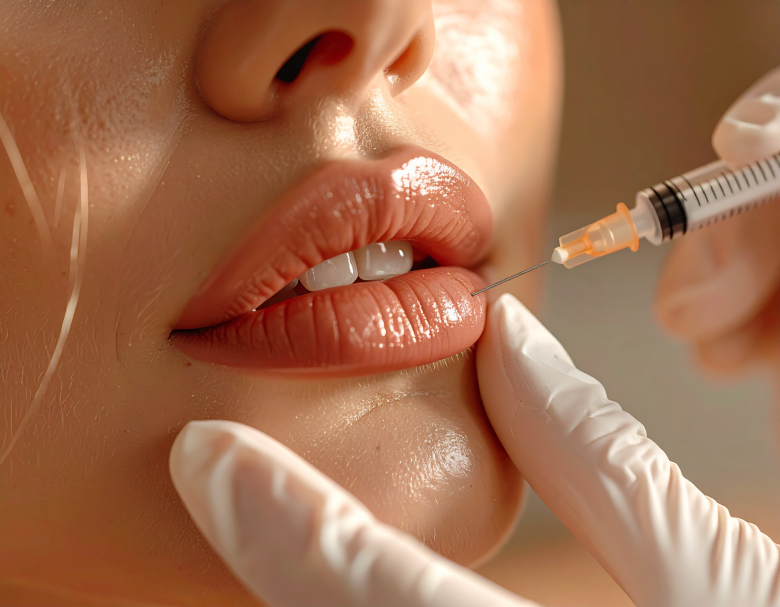
Two patients can receive Botox treatment in South Miami, FL on the same day, from the same injector, in the same area, and walk away with noticeably different experiences. One sees results that last four months and fades gradually. The other notices softening for six weeks and then a fairly rapid return of movement. Neither outcome is necessarily wrong, but the difference is real and worth understanding.
Botox results are not uniform because people are not uniform. The way your body processes botulinum toxin, the precision of the procedure, and the lifestyle you maintain between appointments all shape the outcome. Knowing which factors are at play gives you a more productive conversation with your injector and more realistic expectations going in.
Biological Factors That Determine How Botox Works
The most fundamental variables in why Botox results vary are the ones built into your biology. These are the factors that exist before you ever sit down in a treatment chair.
Muscle Mass and Strength
Botox works by blocking the nerve signals that tell a muscle to contract. A larger, stronger muscle requires more product to achieve the same degree of relaxation as a smaller, less active one. Patients with particularly strong corrugator muscles between the brows, for example, often need higher doses than patients with lighter muscle activity in the same area to achieve a comparable result.
This is also why the masseter muscle, which is one of the strongest muscles in the body, requires significantly higher doses for jaw slimming than most facial treatment areas. Muscle size and strength are not uniform across patients, and a dose that works well for one person may be genuinely insufficient for another even in the same anatomical zone.
Metabolism Rate
Botulinum toxin is broken down by the body over time. How quickly that happens depends significantly on individual metabolic rate. Patients with faster metabolisms tend to process the toxin more quickly, which shortens how long results last. This is one reason why how long Botox lasts is such a variable answer. The three to six month range that is commonly cited reflects population-level averages, not a guarantee for any individual patient.
Metabolic rate is influenced by genetics, body composition, hormonal factors, and lifestyle, all of which vary considerably from person to person. Two patients at the same age with similar treatment histories can have genuinely different metabolic processing rates that produce meaningfully different duration outcomes.
Antibody Development
This is one of the less commonly discussed biological factors, but it becomes relevant for patients who have been receiving Botox consistently over many years. In some cases, the immune system can develop antibodies to botulinum toxin over time, which reduces the body’s response to subsequent treatments.
Antibody development is more likely with higher cumulative doses, more frequent treatment intervals, and certain brands of toxin. It is not a universal outcome and does not affect most long-term Botox patients, but it is a real clinical phenomenon that can explain why results seem to become gradually weaker over years of treatment even when everything else about the protocol remains consistent. Rotating toxin brands or adjusting dosing strategy are approaches that can be explored if antibody resistance is suspected.
Age and Skin Condition
Age affects Botox results in several interconnected ways. As skin loses elasticity and collagen over time, the relationship between muscle movement and visible lines changes. Younger skin with good elasticity tends to smooth more completely when the underlying muscle is relaxed. Older skin with more significant collagen loss may show less dramatic smoothing from the same treatment because the structural integrity of the skin itself is also contributing to how lines appear.
This does not mean Botox becomes ineffective with age. It means the goals and expectations shift, and the treatment increasingly works alongside other interventions like fillers and skin quality treatments rather than standing alone as the complete solution. Skin condition, sun damage history, and hydration levels all play into how the surface of the skin responds to muscle relaxation beneath it.
Procedural Factors That Affect Botox Results
Biology is only part of the picture. The procedure itself introduces a separate set of variables that significantly shape outcomes, and these are factors within the control of the injector and the treatment environment.
Units Used
Dosing is one of the most direct determinants of how well Botox works and how long it lasts. Underdosing a treatment area produces weaker results that fade faster. Overdosing can produce an overcorrected result that looks unnatural and may cause unintended effects in adjacent muscle groups.
The right dose is not a single number. It is a clinical judgment based on the specific patient’s muscle mass, treatment history, response to prior sessions, and the result being targeted. A provider who applies the same dose to every patient regardless of anatomy is not calibrating to the individual, and the results reflect that. Inconsistent outcomes from treatment to treatment are sometimes a dosing conversation as much as a biology conversation.
Dilution Practices
Botulinum toxin is reconstituted with saline before injection, and the ratio used affects the concentration of the product delivered. A more dilute solution delivers a lower concentration of active toxin per unit volume injected. While dilution practices vary and are not inherently problematic when units are accurately counted, inconsistent or poorly disclosed dilution can contribute to results that feel weaker than expected even when the unit count seems appropriate on paper.
This is why asking your injector directly about their dilution practices is a legitimate and reasonable part of the consultation conversation. Transparency on this point is a reasonable expectation from any qualified provider.
Injection Placement
Precise anatomical placement is one of the clearest differentiators between experienced and less experienced injectors. Botox must be placed at the correct depth and in the correct anatomical position to effectively reach the target muscle and produce the intended effect. Placement that is too superficial, too deep, or in a slightly incorrect position relative to the muscle can result in a weaker effect in the intended area or unintended effects in adjacent structures.
This is particularly consequential in areas like the forehead and around the eyes, where small differences in placement can affect brow position, lid elevation, and overall facial balance. The technical precision of the injector directly influences the outcome in ways that cannot be corrected after the fact without waiting for the product to metabolize.
Injector Experience
Related to placement but broader in scope, injector experience shapes results in ways that extend beyond technical skill. An experienced injector reads facial anatomy dynamically, assessing not just where the muscles are but how they interact, how a patient’s unique movement patterns affect the treatment plan, and how to anticipate the downstream effects of relaxing one muscle on the behavior of adjacent ones.
Experience also includes pattern recognition across many patients over time, knowing which presentations respond predictably to standard approaches and which require modified technique. First-time results that disappoint and consistent underperformance over multiple sessions are both worth discussing with an experienced provider who can assess whether a technique adjustment might produce a different outcome.
Brand of Toxin
Botox, Dysport, Xeomin, and Daxxify are all FDA-approved botulinum toxin products, but they are not identical in their formulation, unit equivalency, onset time, or spread characteristics. Dysport, for example, tends to diffuse slightly more broadly than Botox, which can be advantageous in certain treatment areas and less ideal in others. Xeomin contains no accessory proteins, which some providers prefer for patients with suspected antibody sensitivity. Daxxify has a longer-lasting formulation for some patients.
Switching brands between treatments without accounting for unit equivalency differences is one procedural factor that can produce confusingly variable results. If your treatment history involves different providers using different products without that being clearly communicated, it may explain some of the inconsistency in your experience.
Lifestyle Factors Specific to South Miami Clients
For patients getting Botox treatment in South Miami, FL, lifestyle variables take on particular relevance because of the specific environment and culture of this region.
Intense Exercise Routines
South Miami has a deeply active fitness culture. High-intensity training, daily cardio, endurance sports, and rigorous gym schedules are common. As covered in the factors affecting Botox results, exercise increases metabolic rate, and a consistently elevated metabolic baseline from frequent intense training can meaningfully shorten how long Botox lasts.
This does not mean patients need to stop exercising. It means that highly active patients should factor their training habits into the discussion with their injector when talking about dosing and treatment frequency. A patient running marathons and doing daily high-intensity workouts may simply need a different maintenance schedule than a less active patient, and that is a clinical reality worth planning around rather than being surprised by.
High Sun Exposure and Skin Baseline
Prolonged UV exposure accelerates collagen breakdown and skin aging in ways that affect the skin baseline that Botox is working with. South Miami patients with significant cumulative sun exposure may find that while Botox effectively relaxes the target muscles, the overlying skin condition means that surface results are less dramatic than they would be with better-preserved skin quality.
This compounds over time. A patient who has spent years in South Florida’s sun without consistent SPF protection may be dealing with a degree of structural skin change that Botox alone cannot fully address. Pairing consistent Botox treatment with a strong skincare foundation including daily broad-spectrum SPF and appropriate active ingredients gives results the best possible surface to express themselves on.
Stress Patterns
Chronic stress increases cortisol levels, which affects metabolism, skin quality, and muscle tension patterns. Patients under significant ongoing stress often have higher baseline muscle activity, meaning the muscles Botox is targeting are working harder more consistently. Higher baseline muscle activity can contribute to faster product metabolism and shorter result duration.
Stress also tends to drive the habitual facial expressions, furrowing, squinting, and tension, that create the lines Botox addresses in the first place. Managing stress is genuinely relevant to Botox outcomes, not just general wellness advice.
Why First-Time Results Are Often More Dramatic
Many patients notice that their first Botox experience produces the most striking results and wonder why subsequent treatments sometimes feel less impressive. This is a real pattern with a clinical explanation.
Before a patient’s first treatment, the target muscles have been contracting at full strength for years without interruption. The lines created by that activity are often well established. When Botox relaxes those muscles for the first time, the contrast between before and after is at its maximum. The change is dramatic precisely because the baseline was untreated.
With consistent treatment over time, the muscles are regularly being relaxed before they have a chance to fully return to peak activity. The lines that developed from years of unrestricted movement gradually soften. The baseline itself improves. The result of any individual treatment looks less dramatic not because the treatment is less effective, but because the problem it is addressing has already been partially resolved by the cumulative effect of prior sessions.
This is actually the goal of a consistent Botox plan. Patients who have been treated regularly for several years often look significantly better than patients the same age who are just starting treatment, even if the before-and-after contrast at any single appointment is smaller. Understanding the Botox results timeline this way helps reframe what success looks like over the long term.
What To Discuss With Your Injector When Results Consistently Disappoint
If your results are consistently shorter or weaker than expected, that is a productive clinical conversation to have rather than a reason to quietly switch providers or assume nothing can be done. Several specific topics are worth raising directly.
Duration that is consistently shorter than three months. If results are fading noticeably within six to eight weeks, that is worth flagging. It may indicate underdosing, a metabolism that processes the toxin quickly, or the beginning of antibody-related resistance. Each has a different solution.
Persistent movement in treated areas at the two-week mark. If a treatment area still has significant movement two weeks after injection, when results should be fully settled, that points toward underdosing or potentially suboptimal placement rather than a patience issue.
Results that seem to have weakened over years of treatment. If you have been treated consistently for several years and results seem progressively weaker despite dose increases, antibody development is worth discussing. A provider can consider switching toxin brands, extending the interval between treatments to allow immune response to settle, or adjusting the overall treatment approach.
Asymmetry that persists past two weeks. Some asymmetry in the first few days after treatment is normal. Asymmetry that is still present at two weeks and beyond suggests a placement or dosing issue that should be assessed at your follow-up.
Results that never matched expectations from the start. If results from your first several sessions never produced the outcome you expected, a detailed conversation about dosing, product selection, and placement strategy with an experienced injector may reveal that a different approach would serve you better.
The Most Honest Summary of Why Results Vary
Botox results vary because they sit at the intersection of biology, procedure, and lifestyle, and all three categories contain variables that differ meaningfully from patient to patient. No single factor explains every outcome, and most cases of unexpectedly short or weak results involve more than one contributing element.
The most useful thing a patient can do is treat their Botox history as clinical data. How long did the last treatment last? Where was movement still present at the two-week follow-up? Has duration changed over time? Has anything in your lifestyle changed? Those details give an experienced injector what they need to calibrate a plan that works better for your specific biology and circumstances.
At White Coat Glam, Botox treatment in South Miami, FL starts with that kind of clinical conversation, not a standard protocol applied to every patient the same way. If your results have not been matching your expectations, that is exactly the conversation to have. Schedule a consultation with Botox treatment in South Miami, FL at White Coat Glam and find out what a properly calibrated plan looks like for your face, your biology, and your lifestyle.
FAQs
Why do my Botox results not last as long as other people’s? Individual differences in metabolism, muscle mass, lifestyle factors like exercise intensity, and treatment history all affect how long Botox lasts. Patients with faster metabolisms or more active muscle patterns often see shorter duration than average.
Why did my first Botox treatment look more dramatic than recent ones? First-time treatments produce the most visible contrast because the muscles have never been relaxed before. With consistent treatment over time, the baseline improves and the before-and-after contrast at any single appointment is smaller, which is actually a sign that the cumulative plan is working.
Can the body become resistant to Botox? Yes, in some cases. Long-term patients can develop antibodies to botulinum toxin that reduce the body’s response over time. This is more likely with higher doses, more frequent treatments, and certain toxin brands. Switching products or adjusting the treatment interval are approaches that can help.
Does the injector’s technique affect Botox results? Significantly. Placement precision, dosing calibration, and the injector’s ability to read individual facial anatomy all directly shape how well the treatment works and how natural the result looks. Inconsistent results across sessions are sometimes a technique conversation as much as a biology one.
Why is my Botox wearing off faster in South Miami? South Miami’s heat, high UV exposure, and active lifestyle culture all contribute to faster toxin metabolism for some patients. Highly active patients and those with significant outdoor sun exposure may need a more frequent treatment schedule than average.
What should I do if my Botox results are consistently disappointing? Have a detailed conversation with your injector covering treatment duration, where movement persists at the two-week mark, whether results have weakened over time, and whether a dosing or product adjustment might help. If those conversations have not produced improvement, a consultation with a different experienced injector for a second perspective is reasonable.
Does the brand of Botox affect results? Yes. Different FDA-approved botulinum toxin products have different formulations, unit equivalencies, onset times, and spread characteristics. Switching brands without accounting for those differences can produce variable outcomes. Discussing which product is being used and why is a reasonable part of any Botox consultation.
Disclaimer: The information on this page is for educational purposes only and does not constitute medical advice. Results vary by individual and are not guaranteed. All treatments are performed by licensed professionals. A consultation is required to determine if this treatment is appropriate for you.